
Malang, en.SERU.co.id – The East Java provincial government has recorded a notable increase in life expectancy, which now stands at 75.36 years. Among the cities leading the way in elderly services, Malang has been recognized as a standout example.
Head of the East Java Social Affairs Agency, Dra. Restu Novi Widiani, MM, said greater attention to senior citizens has played a key role in pushing the life expectancy figure up by roughly one year from the previous period.
“The rise in life expectancy needs to be matched with stronger healthcare services and better empowerment programs for the elderly. We have 15.45 percent of the population classified as elderly, and we must ensure they remain healthy, independent, and productive,” Novi said in Malang on Friday (29/5/2026).
Novi praised Malang for its strong performance in elderly care, as assessed by the Regional Elderly Commission (Komda Lansia). The city stands out largely because of its active Karang Werda groups, community-based elderly organizations that go beyond mere formal structures and actually run regular activities.
“Malang is one of the best cities in terms of elderly services. Their Karang Werda groups are genuinely active,” she said.
According to Novi, Karang Werda serves as an important starting point for elderly empowerment, especially since the number of dedicated Posyandu Lansia (elderly health posts) across East Java is still limited. She encouraged all local governments to expand these health posts.
“This effort is crucial to improving quality of life and supporting further increases in life expectancy,” she added. One such Posyandu Lansia operates at the East Java Blind Rehabilitation Social Unit in Malang.
Read Also:
Malang City Prepares Special Stalls to Control Rising Chili Prices Ahead of Eid al-Adha
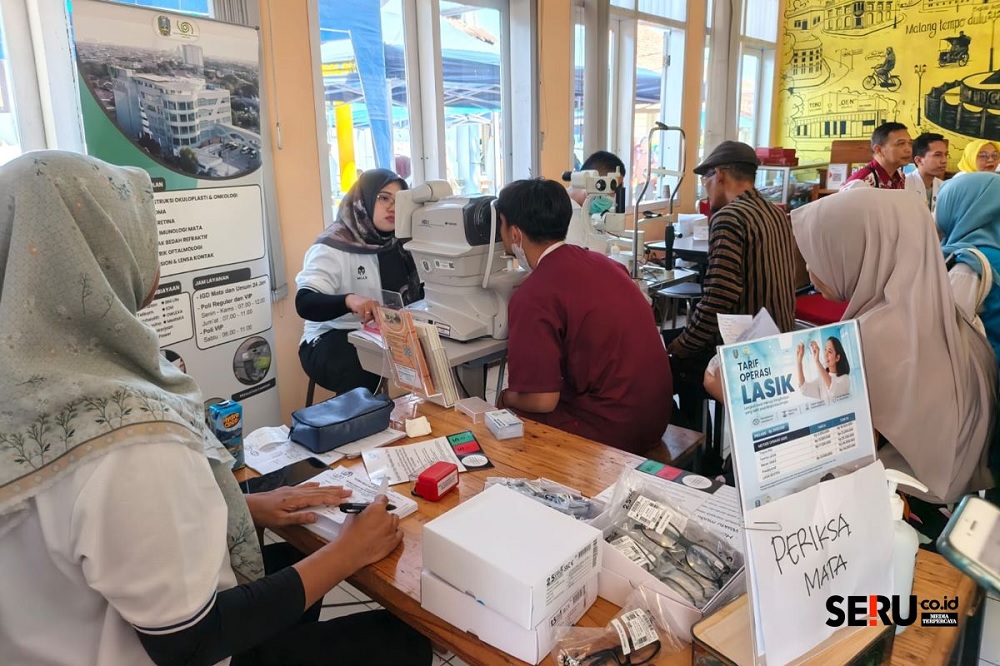
Beyond basic check-ups, Posyandu Lansia offers more comprehensive support, including regular measurements of weight and height, eye checks, and psychological counseling to prevent dementia. Special therapy is also available for elderly residents recovering from strokes or dealing with other physical limitations.
The program also provides education on nutrition tailored to the needs of older adults. Proper diet, Novi noted, significantly affects muscle strength, nerve function, and overall health.
She called on all regional governments to show stronger commitment to elderly care.
“We want every local administration to deliver better services for seniors. We hope each region will give equal attention to the protection, welfare, and empowerment of the elderly,” Novi said.
She acknowledged that developing Posyandu Lansia is often hampered by insufficient commitment and budget allocation from local governments. Through the momentum of National Elderly Day, she expressed hope that district and city administrations will become more proactive in allocating programs and funding for elderly initiatives.
“Step by step, we are optimistic that regions will prioritize elderly programs,” she concluded. (bas/ono)