

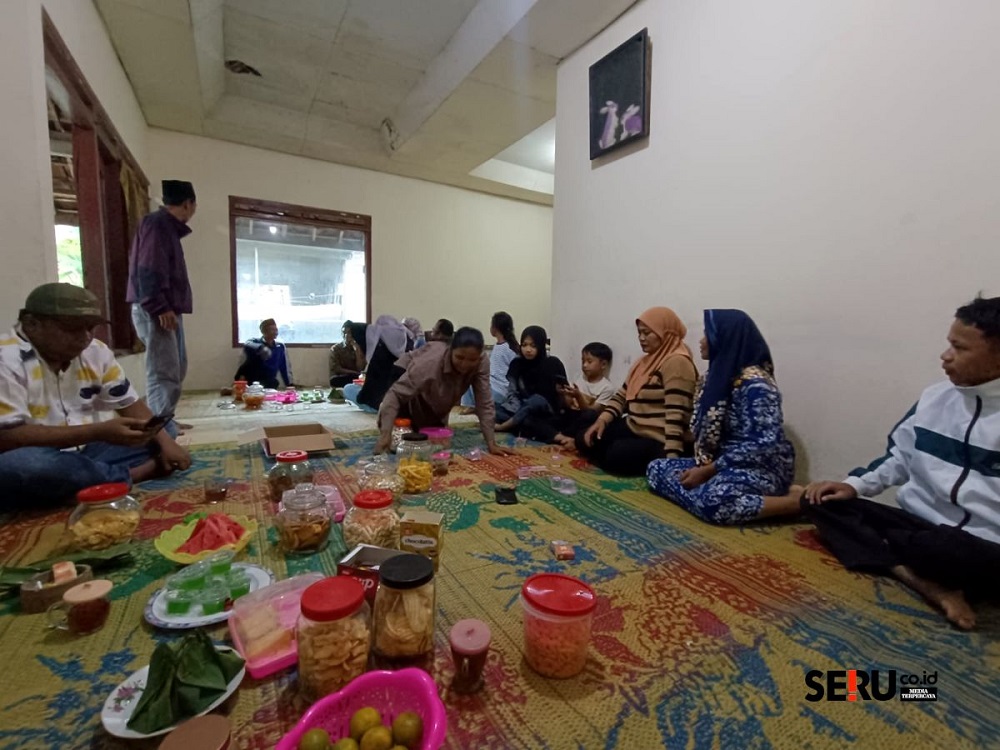
Boyolali, en.SERU.co.id – Communities across Boyolali Regency are once again celebrating the Sadranan tradition during the Javanese month of Sapar. The custom, observed in subdistricts including Tamansari, Musuk, Selo, Ampel, and Gladagsari, stands out for its distinctive practices that set it apart from similar rituals elsewhere in Java.
One heartfelt ceremony took place in Dusun Margosari, Ngadirojo Village, Gladagsari District. The event began with a communal slametan at the local RT chairman’s home, followed by the cleaning of ancestral graves, and concluded with an open silaturahmi where residents welcomed visitors from near and far.
“We hope this tradition continues to thrive amid modern changes.We want the younger generation to help preserve these bonds of brotherhood. Everyone, whether neighbors or relatives from outside the area, is welcome to join the gathering,” said local resident Suyatno, 48.
Rooted in the concept of Sraddha (faith), Sadranan serves as both a way to pray for ancestors and express gratitude to God. While most Javanese communities hold similar observances in the month of Ruwah ahead of Ramadan, several areas in Boyolali uniquely perform it during Sapar. Some locations even organize the tradition twice a year at different sites.
The Boyolali version is particularly lively. Instead of ending at the graveyard after prayers and a meal, the celebration continues with residents opening their homes to visitors. Families prepare generous spreads of food, inviting anyone to drop by regardless of background. The atmosphere often feels warmer and more festive than ordinary holidays.
Read Also:
TradiSea Rooms & Resto Opens in Situbondo with Sustainable Farm-to-Table Experience
A striking visual element is the use of tenong, colorful woven bamboo or metal baskets with handles—carried in procession by residents heading to the graves. This iconic sight is deeply tied to life on the slopes of Mount Merapi and Merbabu.
What began as a family-oriented custom has grown into a broader cultural attraction. Cultural observers, photographers, and both domestic and international tourists now visit specifically to experience its authenticity and sense of togetherness.
In Boyolali, Sadranan has evolved from a solemn ancestral visit into a vibrant social celebration that blends charity, kinship, and open hospitality. In some spots, traditional performances like Reog add even more color to the occasion. (wbn/mzm)
Indonesian Version:
Sadranan Bulan Sapar Boyolali, Tradisi Unik Penuh Makna yang Kian Dilestarikan