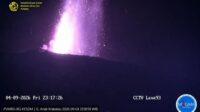

Jakarta, en.SERU.co.id – Four volcanoes in Indonesia erupted on Sunday, September 6, 2026. Three are currently at Alert Level III while one remains at Level II. The situation requires communities living near these areas to increase their vigilance. Here is a practical guide on what to do before, during and after a volcanic eruption.
Citing the Magma Indonesia report from the Ministry of Energy and Mineral Resources, Mount Ibu is at Level II (Waspada). Mount Anak Krakatau, Ili Lewotolok and Semeru are at Level III (Siaga). Residents in hazard-prone zones are advised to stay alert.
Know the Hazards of a Volcanic Eruption
The National Disaster Management Agency (BNPB) explains that volcanic hazards can be primary or secondary. Lava flows are magma that reaches the surface through cracks. This extremely hot material can destroy buildings and infrastructure in its path.
Another danger is pyroclastic flows, high-temperature volcanic material that moves rapidly downhill, usually following valleys or sloping terrain.
People must also watch for toxic volcanic gases such as sulfur dioxide (SO₂), carbon dioxide (CO₂), hydrogen sulfide (H₂S), hydrogen chloride (HCl) and hydrogen fluoride (HF). These gases can harm health, especially when inhaled in high concentrations.
On volcanoes that have crater lakes, eruptions can trigger eruption-induced lahars — mixtures of water and volcanic material that flow out from the mountain area.
Incandescent rock fragments may be ejected during explosions, while volcanic ash consists of very fine particles that wind can carry far from the source. Ash is currently a major concern because it can affect the health of people in impacted areas.
Volcanic Ash Affects Breathing Eyes and Skin
Health Minister Budi Gunadi Sadikin reminded the public not to panic over the spread of volcanic ash. At the same time, people are urged to protect themselves because ash can affect several parts of the body.
“So, the respiratory system, eyes and skin are the places where health problems can occur because of this volcanic dust,” Budi said, quoted from Tirtoid on Sunday (6/9/2026).
To protect the respiratory tract, residents are advised to limit outdoor activities. If they must go outside, they should wear an appropriate mask, preferably an N95. Anyone experiencing breathing difficulties should seek medical care at the nearest health facility.
Eye protection is equally important. People should wear protective goggles outdoors and avoid contact lenses. Ash particles can irritate or scratch the surface of the eyes.
For the skin, it is recommended to wash thoroughly after being outdoors. If itching or irritation appears, visit a community health center promptly.
Preparation Before an Eruption
Disaster mitigation should not begin only after a volcano erupts. People living in hazard zones need to take several steps early.
- Follow official information on volcanic activity and obey every recommendation from the government or disaster response officers. Status updates can be monitored through official channels including Magma Indonesia.
- Know the evacuation routes. Make sure every family member knows the way to the designated assembly points and shelters.
- Create a family emergency plan. Decide on a meeting place in case family members become separated during evacuation.
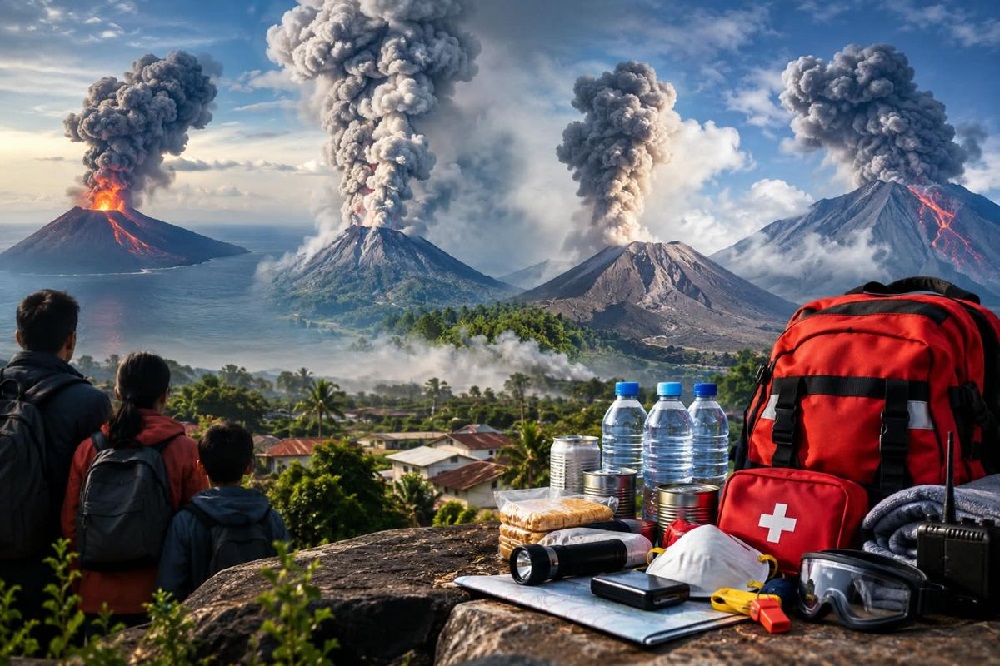
Do not forget to prepare a Disaster Preparedness Bag (TSB) and keep it in an easily accessible location. Include masks, protective goggles, personal medicines, food, drinking water and other essential items.
Read Also:
Mount Anak Krakatau Spews Lava Fountains Status Remains at Alert Level III
What to Do When an Eruption Occurs
When an eruption is underway, safety must be the top priority. If you are inside a designated hazard zone, follow evacuation orders immediately and do not wait for conditions to worsen.
For those still at home who have not been ordered to evacuate, stay indoors. Close doors, windows and ventilation openings to limit the entry of volcanic ash.
If you must be outside, wear an N95 mask or the best available respiratory protection. Put on covered clothing such as a jacket, long-sleeved shirt, long pants and head covering. Use protective goggles and avoid contact lenses while ash is falling.
People should also stay away from valleys, rivers and channels that originate from the mountain summit. These areas can become pathways for lahars, especially when rain falls on the upper slopes.
Actions After an Eruption
Those who have evacuated should remain in shelters until official clearance is given. Once allowed to return home, first check the condition of the building. Thick ash deposits on the roof need to be cleared because their weight can overload the structure.
Continue to stay clear of rivers or lahar channels, particularly during heavy rain on the upper mountain.
A Disaster Preparedness Bag should be ready to meet basic family needs during an emergency. If possible, use a waterproof bag and pack supplies for the first several days.
By understanding the potential hazards and preparing equipment before a disaster strikes, communities can reduce risks when a volcanic eruption occurs. The key to mitigation is following official information, staying calm and evacuating immediately when instructed by authorities. (aan/mzm)
Indonesian Version:
Empat Gunung Api Erupsi Bersamaan, Kenali Bahaya dan Panduan Mitigasinya