

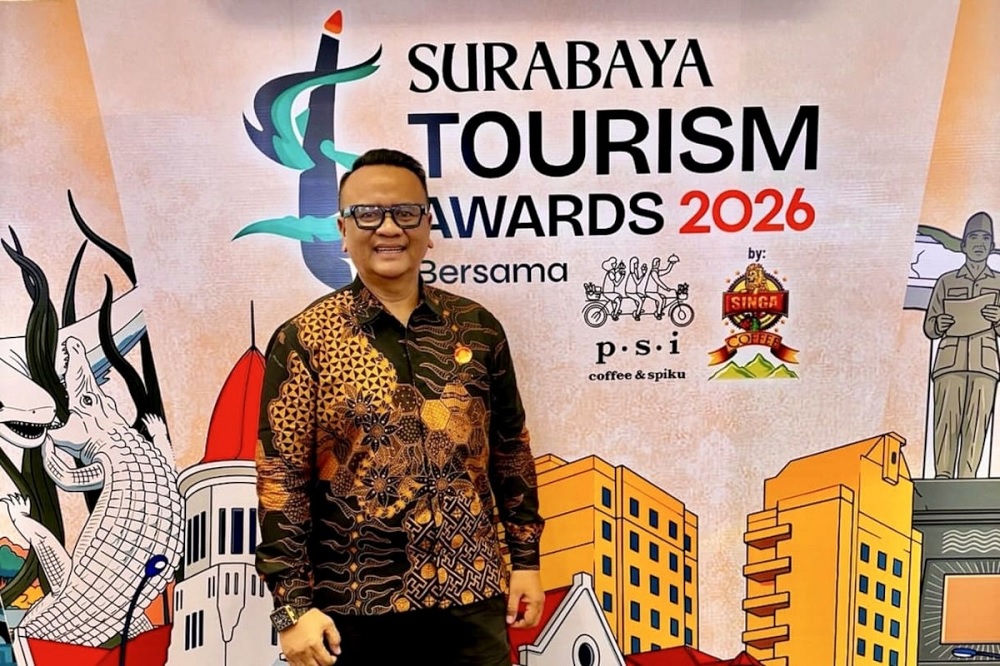
Surabaya, en.SERU.co.id – The surging US Dollar against the Indonesian Rupiah has reached new highs, making Indonesia appear significantly cheaper for foreign tourists. But for local tourism players on the ground, particularly tour guides, the situation is a classic double-edged sword.
According to Sujai Asmed, Chairman of the East Java Regional Board of the Indonesian Tour Guides Association (HPI DPD Jawa Timur), the currency fluctuation brings both blessings and real operational headaches.
“There’s an upside, but also genuine challenges that we have to navigate,” Sujai told SERU.co.id.
Theoretically, a weaker Rupiah boosts the purchasing power of foreign visitors (wisman). However, Sujai noted that large-scale service providers quickly adjust their prices in response. Premium accommodations, major travel agencies, and international tour packages often adopt dominant currency pricing, pegging rates to the dollar. As a result, much of the expected benefit from the cheaper Rupiah is quickly eroded by these local price adjustments.
“On paper, Indonesia looks more affordable in dollar terms. But in practice, that advantage often gets swallowed up,” he explained.
For tour guides handling international groups, operational costs have also risen noticeably—especially for services that follow global standards. When foreign tourists still face globally adjusted pricing, the real gains appear to be shifting toward domestic tourism.
Read Also:
Rupiah Weakens to Rp17,602 Per Dollar as Prabowo Urges Calm
The sharp increase in international airfares and outbound tour packages has prompted many Indonesians to reconsider traveling abroad. This, Sujai observed, is driving a significant surge in domestic travel (Wisnus) within East Java.
“Overland tourism is becoming the new favorite,” he said. Families, institutions, and community groups are increasingly opting for tour buses or private vehicles to explore the province.
Alternative destinations such as village tourism spots in the greater Malang area (including Batu City), Banyuwangi, and Pacitan are seeing a noticeable uptick in visitors. These locations offer more reasonable prices paired with authentic experiences.
Sujai added that money spent by domestic tourists circulates directly within the local economy—benefiting UMKM businesses, local guides, souvenir centers, and homestays.
However, he cautioned the industry not to become complacent.
“The other side of a stronger dollar is rising operational costs further down the line, which could gradually squeeze profit margins,” warned Sujai, who also owns Suramadu Trans. (dik/mzm)