
Jakarta, en.SERU.co.id – Universitas Muhammadiyah Malang (UMM) has officially been designated as a UNESCO Chair and Host Institution for the Sustainable Water Ecosystem program, making it one of only three universities in Indonesia to secure the global partnership.
The achievement underscores UMM’s growing reputation as an institution that delivers real impact for both communities and the environment. Vice Rector IV Dr. Muhamad Salis Yuniardi SPsi MPsi PhD said the recognition reflects years of deliberate effort rather than overnight success.
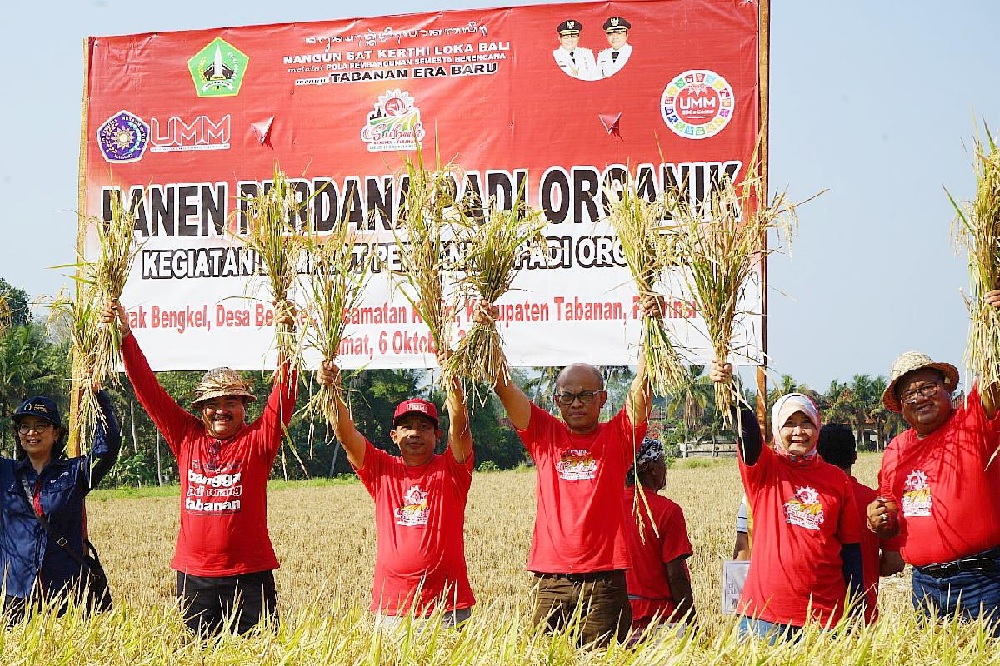
“This is the result of our long-term dedication to research and community service. Through smart farming and renewable energy initiatives, we are protecting vital water catchment areas. That same commitment earned us a UNESCO award in 2024 for conservation work in the Subak region of Tabanan, Bali,” Salis told SERU.co.id.
At the time, excessive use of chemical pesticides had severely degraded farmland in Subak, hardening the soil and slashing fertility. Desperate farmers began converting rice paddies into villa developments, threatening the UNESCO World Heritage-listed traditional irrigation system and wiping out critical water absorption zones.
UMM stepped in with practical solutions, introducing green farming and smart farming technologies to restore soil health and boost harvest efficiency. As an official UNESCO partner, the university now carries the mandate to lead broader sustainable water ecosystem programs across Indonesia.
The “Campus with Impact” vision is being delivered through three flagship initiatives.
First, UMM is directly tackling the water crisis and rampant land conversion threatening Subak’s ancient irrigation network in Tabanan, Bali.
Second, the university has deployed 52 academics to East Nusa Tenggara (NTT) to map new water sources, strengthen food security, and combat stunting. As a follow-up project, UMM is preparing solar-powered desalination technology to guarantee clean water supplies for local communities.
Read Also:
Universitas Brawijaya Strengthens Student Mental Health with AI and Early Detection Systems
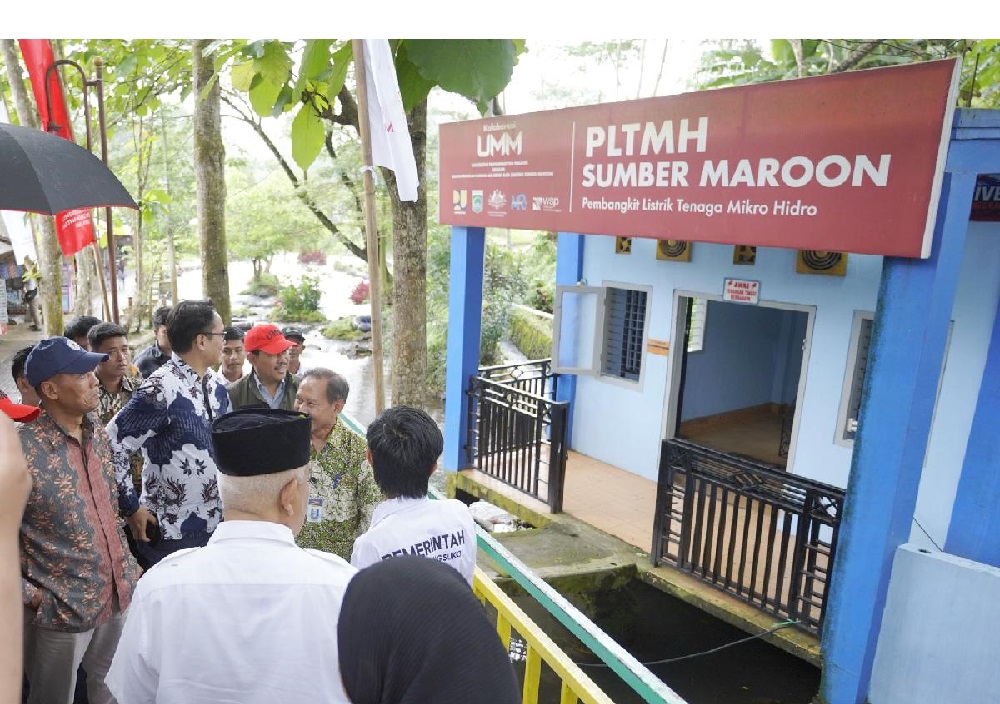
Third, in the renewable energy sector, UMM has proven its capability by constructing two Micro Hydro Power Plants (MHPP 1 and 2) on campus and at the Sengkaling Recreation Park, converting water flow from the Brantas River into clean electricity. The university is also expanding similar projects to support ecotourism in Sumber Maron and Boonpring, Turen.
Salis stressed that the UNESCO recognition is not a moment for complacency but a responsibility and motivation to remain at the forefront of sustainability.
“We are not only thinking about today. We are thinking 50, 100, even 500 years ahead for our children and grandchildren. They deserve an environment that remains sustainable — including reliable access to water,” he said.
The milestone aligns closely with Muhammadiyah’s philosophy of Progressive Islam, which emphasizes forward-looking contributions to society and the planet. (*/rhd)