
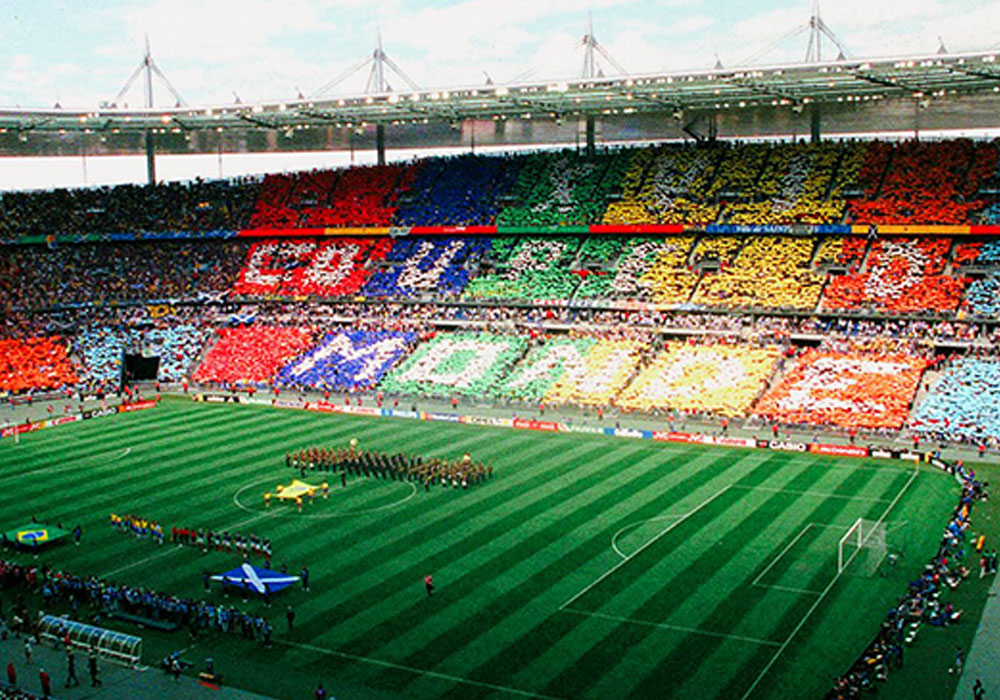
Jakarta, en.SERU.co.id – The 2026 FIFA World Cup kicked off on Thursday, June 11, 2026, with Mexico facing South Africa at Estadio Azteca. Billed as the biggest tournament in history with 48 teams across the United States, Canada, and Mexico, it was supposed to be an epic football celebration. Instead, it has sparked more controversy than most recent editions. Visa troubles, sky-high ticket prices, and environmental concerns have dominated headlines even as matches roll on.
The biggest flashpoint has been U.S. immigration policy. Strict rules have created major headaches for players, officials, referees, and fans from several countries.
A notable example is Somali referee Omar Abdulkadir Artan, who was denied entry despite holding a valid visa. FIFA President Gianni Infantino described it as unfortunate but made clear where FIFA stands.
“It is unfortunate what happened to the referee from Somalia. But again, we don’t control everything,” he said.
Iran’s case has been the most closely watched. Amid tensions with the U.S. and Israel, the team based themselves in Tijuana, Mexico. Players received visas, but several key coaching staff and federation officials did not. Iranian forward Mehdi Taremi spoke about the impact:
“I’ve been to three World Cups and they always say once you get off the plane and you enter the host country, there’s just a unique atmosphere of friendliness and global-ness. Unfortunately, I’m not feeling it right now. There’s a lot of tension right now in this World Cup… because of actions like visa denials.”
Groups like Amnesty International have pointed out the contradiction with FIFA’s “unite the world” slogan.
Fans have also complained loudly about costs. Dynamic pricing sent some tickets, particularly for the later rounds, soaring into the thousands. Category 1 final tickets reportedly hit nearly $11,000 at their peak, with resale prices climbing even higher.
Supporter groups in Europe called the prices excessive. Authorities in New York and New Jersey have looked into claims that FIFA misled fans or inflated prices artificially.
Infantino has defended the system as normal market rates for North America. In response to the criticism, he told people to “just chill and relax.”
Read Also:
Madonna, Shakira & BTS to Headline FIFA World Cup 2026 Final Halftime Show
Additionally, several U.S. venues have brought extreme heat, leading FIFA to introduce hydration breaks during games. The expanded schedule of 104 matches across distant cities is also expected to create one of the biggest carbon footprints in World Cup history.
Add in limited public transport at some stadiums and higher travel costs, and it’s created extra frustration for many.
Other complaints, there have been local protests in Mexico and parts of the U.S. over worker conditions, event spending, and immigration enforcement near venues. Critics have also questioned the 48-team format for lowering overall quality and creating an exhausting schedule.
Infantino keeps insisting that politics should stay out of football and remains hopeful the sport will still bring people together. Many observers, however, believe FIFA didn’t fully anticipate how the host nation’s policies would impact the event.
At the end of the day, the 2026 World Cup is a clear reminder of how difficult it is to separate the game from real-world politics and economics. These issues are likely to follow the tournament throughout.
*(Sources: Wikipedia (List of 2026 FIFA World Cup controversies), BBC, The Guardian, ESPN, The New York Times/The Athletic, Reuters, and official FIFA statements)