

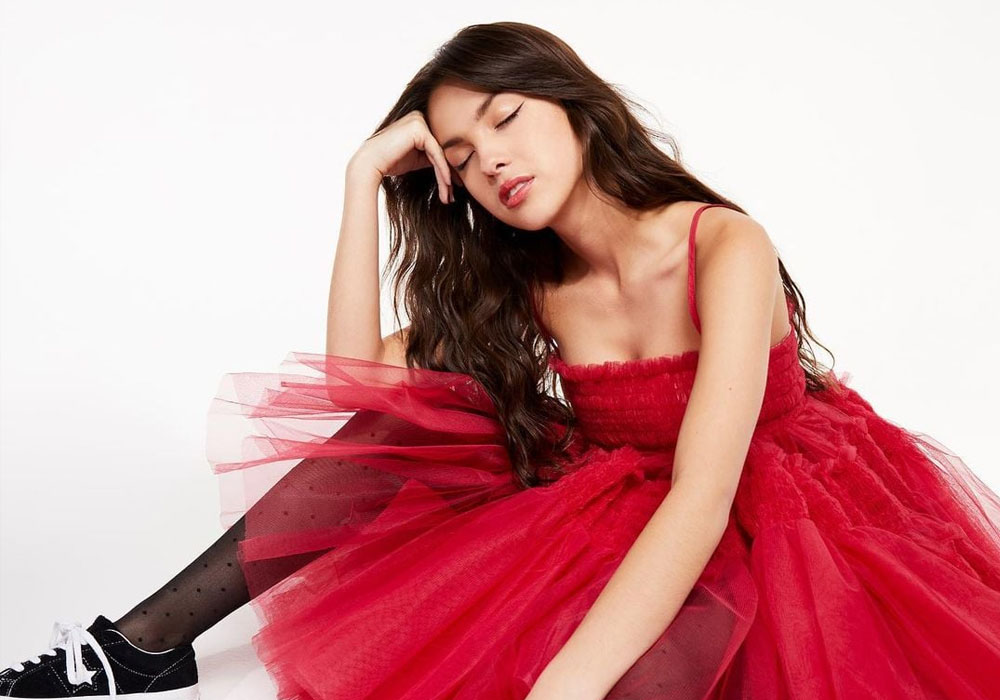
New York, en.SERU.co.id – Olivia Rodrigo has finally addressed the online criticism surrounding her recent babydoll dress outfits.
In a new interview on The New York Times Popcast, the 23-year-old singer pushed back against accusations that her choice of clothing was “infantilizing” or inappropriate. The controversy kicked off in early May after she wore the short, girlish dresses, complete with puffed sleeves and bloomers. Same in her “Drop Dead” music video, on her upcoming album artwork and during a Spotify Billions Club live show in Barcelona.
“That’s been making me so upset. What’s really disturbing is I feel like I have worn outfits that are maybe revealing on stage, which is my right. I felt fun and comfortable in that. And that wasn’t inappropriate, but me, fully covered up in a dress that people deem to be like childlike, was inappropriate. It just shows how we really normalize pedophilia in our culture,” Rodrigo said in the episode preview released on Wednesday.
She also called out the familiar double standard women often face:
“Also it’s just this rhetoric we’re fed as girls since we’re so little, which is: ‘Don’t wear that because then a man is going to sexualize your body and it’s your fault.’ It’s so weird.”
Rodrigo made it clear she never saw the babydoll dress as sexy, she simply felt comfortable and playful in it. She pointed out the irony: more revealing looks she’s worn in the past drew far less backlash.
The singer has been open about her inspiration, saying the look draws directly from the 1990s riot grrrl scene. She name-checked Courtney Love, Kat Bjelland of Babes in Toyland, and Kathleen Hanna of Bikini Kill.
Read Also:
Beartooth Singer Caleb Shomo Comes Out as Gay, Fleur Confirms Marriage Is Over
“I really love the idea of a babydoll [dress]. I just remember being younger and having pictures of Courtney Love and Kat Bjelland from all these riot grrrl punk bands in their babydoll dresses, just owning it.”
Most major outlets, including Variety, Rolling Stone, People, and Refinery29, have been supportive of Rodrigo’s response. Many writers described the backlash as another round of familiar moral panic over a fashion style that has long been used as a form of feminine rebellion.
While plenty of fans defended her right to wear whatever she wants, some critics argued her version of the aesthetic felt too polished compared to the raw, messy energy of the original riot grrrl movement.
The full New York Times Popcast episode dropped today, May 28, and the conversation is still very much alive across social media. So far, Rodrigo’s straightforward take has been widely praised for being thoughtful and honest.