
Malang, en.SERU.co.id – Universitas Brawijaya (UB) has declared its readiness to participate in the national Free Nutritious Meals (MBG) program, currently conducting academic studies on kitchen management ahead of establishing a Nutrition Fulfillment Service Unit (SPPG).
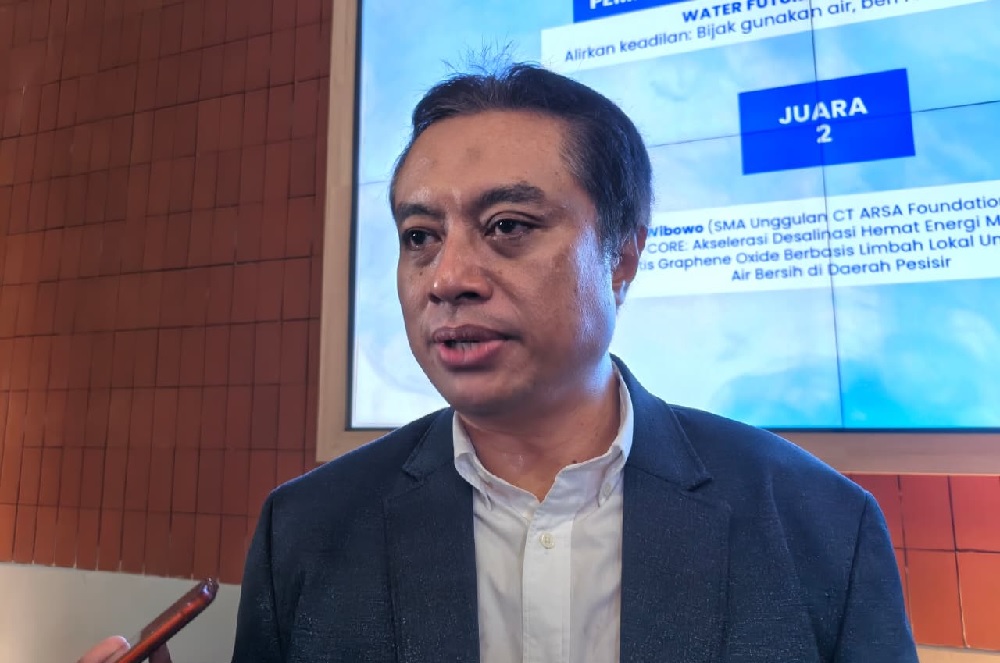
Vice Rector IV for Planning, Cooperation, and Internationalization, Prof. Andi Kurniawan SPi MEng DSc, said the university’s involvement is still in the conceptual discussion and academic review phase. UB is actively engaging with the National Nutrition Agency (BGN) to develop the most effective implementation model.
“UB aims to contribute through its academic expertise and available resources, particularly in developing a circular economy concept within the BGN ecosystem,” Prof. Andi stated on Monday (11/5/2026).
He acknowledged that several universities have already expressed willingness to join the program, with Hasanuddin University (Unhas) becoming the first campus to establish an SPPG. UB is determined to play an active role as well.
“The current challenge is to find the right role model and pilot project that demonstrates best practices. There are certainly many aspects of the program that will need improvement during implementation,” he added.
UB is now reviewing the most systematic and effective operational models to ensure the national strategic program runs optimally. The university hopes its concept can serve as both a pilot project and a living laboratory for the development of the MBG system.
“If UB has a solid concept and idea, we must offer it. But if we don’t yet have the right program, we must not act hastily,” Prof. Andi emphasized.
Regarding opposition from some students toward the university’s potential involvement in the MBG program, Prof. Andi confirmed that criticism exists but stressed it should be viewed objectively and academically.
Read Also:
Universitas Brawijaya Strengthens Water Resource Management Commitment Through UNESCO Collaboration
He said it is important to distinguish whether the rejection is directed at the core idea of the program or only at its implementation. If the issues concern governance and accountability, the solution lies in improving the system.
“If the program is fundamentally good, what needs to be done is to reform its governance and accountability. But if the program itself is deemed not beneficial, it must also be examined objectively through a scientific lens,” he explained.
On concerns that university participation in government programs could compromise academic independence, Prof. Andi rejected the notion, arguing that academic freedom should not be interpreted as detachment from public collaboration.
“Criticism and academic input are precisely part of a university’s contribution to building better public policy. Collaborating and providing opinions are obligations of academics, and this does not diminish their critical stance toward aspects of the program that are considered inadequate,” he asserted.
UB targets to complete the conceptual framework for SPPG management in the near future. If the academic study yields an optimal management model, the establishment of the unit could be realized later this year. (bas/ono)