

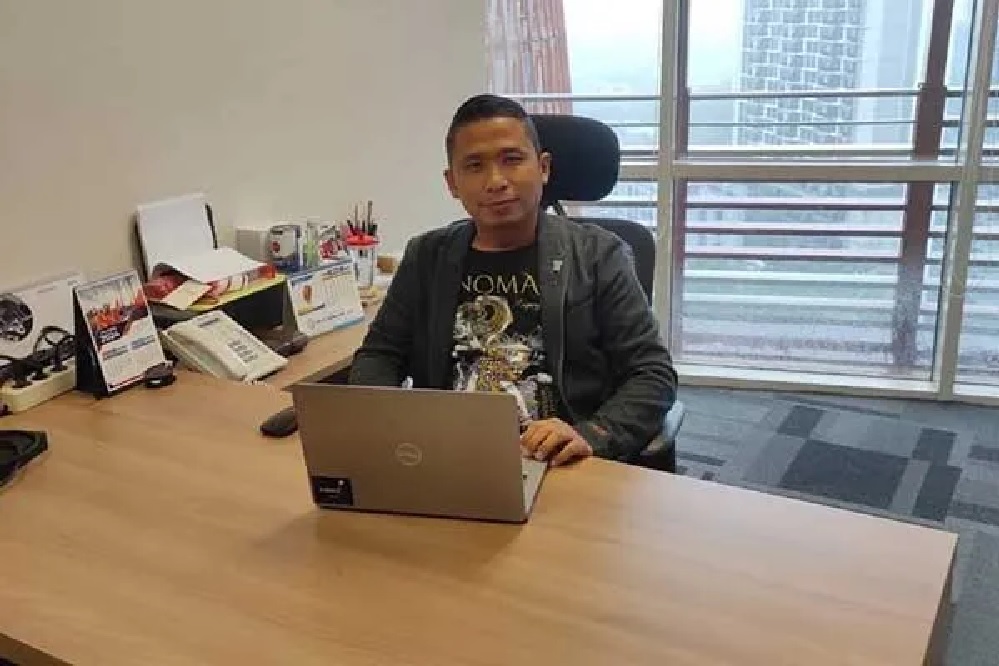
Malang, en.SERU.co.id – One common challenge for company leaders is managing teams or subordinates who lack creativity in tackling problems. Instead of proposing solutions, they frequently show up with issues alone, leaving managers to shoulder the burden.
Budi Santoso, Head of HR People Services at Rentokil Initial Indonesia, says there is a better way. Constantly solving subordinates’ problems for them creates dependency and stifles initiative, he warns. To break the cycle, Santoso recommends a simple coaching technique he calls the “1-3-1 Method.”
“I want to share this with readers of SERU.co.id so leaders can train their teams to solve problems creatively. It’s a dilemma every manager faces, but this approach helps,” he said.
The first step is to ask team members to identify the single most important problem out of all those they face. This forces them to prioritise and think through cause and effect, Santoso explained.
“This method teaches them how to separate the critical issues from the rest and understand the consequences each problem creates,” said Santoso, who is also founder of Exora Learning.
In the second step, subordinates must come up with three alternative solutions. For each option they are required to list the potential risks and benefits.
“This trains them to think creatively and analyse every possibility instead of fixating on a single idea. Employees will no longer be stuck with just one solution,” he added.
Read Also:
30% Employee Expenditure Limit: A Ticking Time Bomb for Contract Workers in Regional Governments
Finally, from the three alternatives, team members must select and recommend just one solution, backed by their assessment of risks and rewards. The exercise builds the courage to make decisions and accept responsibility for the outcome.
“As leaders, we can offer our own perspective or use probing questions to deepen their understanding of the risks and benefits until they see for themselves if the recommended solution is the right one,” Santoso said.
By consistently applying the 1-3-1 Method, subordinates learn to think analytically, creatively and decisively. The result, according to Santoso, is that when they approach their manager they no longer bring only problems.
“They come with a full analysis of alternatives and a clear recommendation,” he concluded. (dik/ono)