

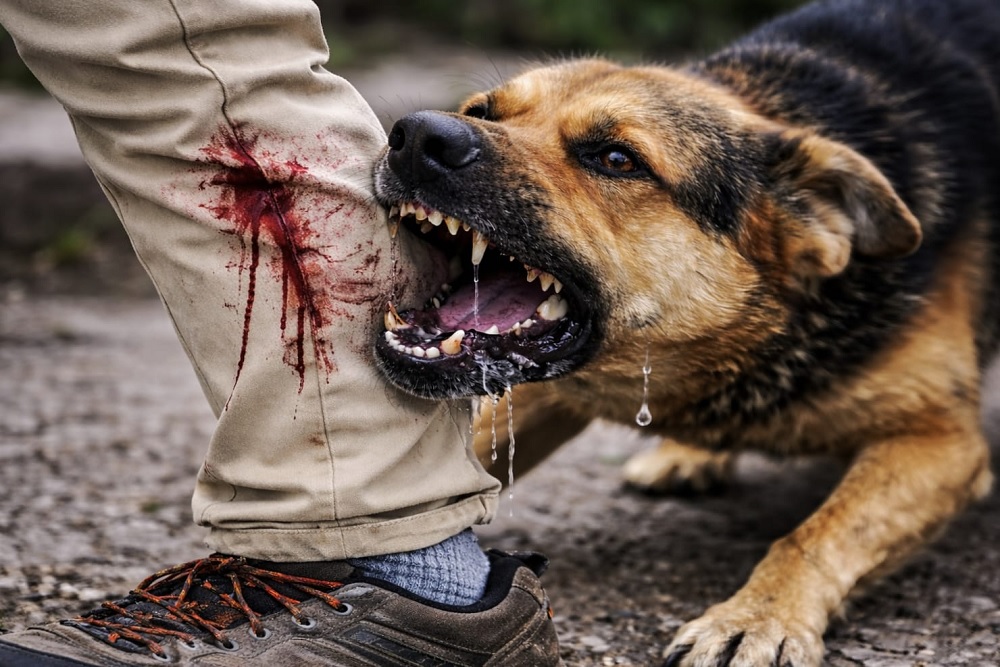
Jakarta, en.SERU.co.id – Rabies cases have once again been detected in Indonesia, serving as a serious alarm for the public. In Sintang Regency, West Kalimantan, positive rabies cases were found in two villages, while in Gianyar, Bali, dozens of dog bite incidents have reoccurred.
Veterinary virologist from IPB University, Dr. drh. Sri Murtini, reminds us that Indonesia remains an endemic country for rabies. This situation underscores that rabies is still a real threat requiring early vigilance and prevention.
To date, only eight provinces have been declared rabies-free: Riau Islands, Bangka Belitung, Papua, West Papua, DKI Jakarta, Central Java, Yogyakarta, and East Java.
“The illegal movement of rabies-carrying animals is one of the main routes for virus spread. Rabies does not transmit through human movement but via bites from infected animals. Therefore, routine vaccination of dogs, cats, and monkeys is crucial,” stated Sri, as quoted from Kompas.com on Tuesday, February 3, 2026.
Sri Murtini emphasizes that mass vaccination, sterilization of stray animals, and education for pet owners are long-term strategies. She also urges the public to avoid direct contact with wild animals, especially stray dogs and cats, while traveling.
First Aid for Bites
Lecturer in Veterinary Medicine at UGM, drh. Heru Susetya, explains that rabies is an acute infectious disease affecting the central nervous system, which is almost always fatal once clinical symptoms appear. Therefore, initial handling is critical for the victim’s safety.
“If someone is bitten by a dog in a rabies-endemic area, the first mandatory step is to wash the wound with soap and running water for at least 15 minutes. This simple action has proven effective in reducing the virus load in the wound area,” he said, as reported on UGM’s official website.
Heru continues that victims must seek immediate medical attention. For minor wounds, rabies vaccination is mandatory. For severe bites or bleeding wounds, victims need rabies vaccine plus Anti-Rabies Serum (SAR).
“Vaccination should not be delayed, even if the biting animal is still under observation. Do not wait for the animal observation results. Rabies is almost always fatal if handled too late,” Heru stressed.
Key to Prevention: Vaccination and Awareness
Experts agree that animal vaccination is the primary key to preventing rabies. Additionally, the public is asked to be alert to changes in pet behavior, such as becoming aggressive, excessive drooling, or refusing to eat.
Early education, especially for children, is important to prevent them from approaching or disturbing unfamiliar animals. Through collaboration between the government, health workers, and the community, the rabies threat can be minimized. (aan/rhd)