
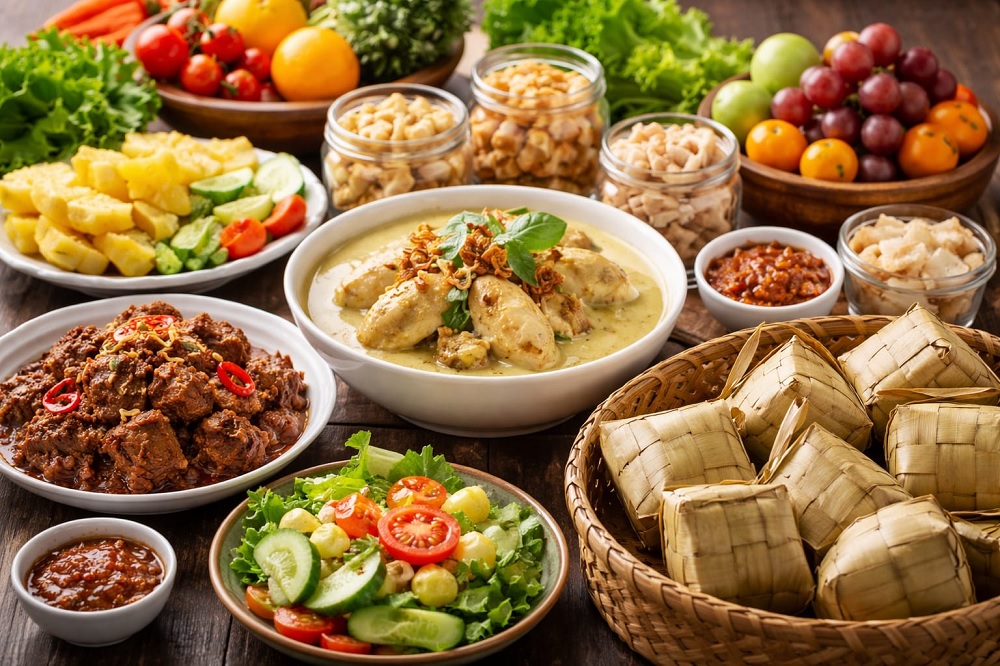
Jakarta, en.SERU.co.id – Savoring opor and rendang during Eid doesn’t have to come with fears of high cholesterol. Although these rich, fatty dishes pose health risks, the right eating habits can make all the difference. Experts recommend balanced nutrition and physical activity to stay healthy throughout the holiday.
Internal medicine specialist dr. Roy Panusunan Sibarani, SpPD-KEMD, explains that cholesterol isn’t solely from food. The body naturally produces it in the liver for essential functions.
“Fat intake from food still plays a role in raising blood lipid levels. These fats are processed into lipoproteins, including Low-Density Lipoprotein (LDL), often called ‘bad’ cholesterol,” said Roy, as quoted by detikHealth on Saturday (21/3/2026).
According to dr. Roy, foods high in saturated fats and trans fats—like opor ayam and other coconut milk-based dishes—can trigger plaque buildup in blood vessels. If this persists, it raises the risk of cardiovascular issues.
“Opor is loaded with fat. Trans fats can be the starting point for plaque formation in the arteries,” he noted.
To counter this, he advises not focusing solely on fatty mains but balancing them with fiber from vegetables and fruits. Fiber helps reduce fat absorption in the intestines.
“Eating just rice, rendang, and gulai turns into body fat quickly. But adding vegetables or fruits like pineapple can help suppress fat absorption,” he explained.
Physical activity is also crucial. The body has about three hours after eating before significant fat buildup occurs—use that window for light activities like walking.
Strategies for Enjoying Eid Dishes
Clinical nutrition expert from Universitas Muhammadiyah Jakarta, Tirta Prawita Sari, shares five simple strategies to enjoy Lebaran foods without sacrificing health:
- Modify cooking methods. Replace some thick coconut milk with thinner versions or low-fat milk. Remove chicken skin, and limit rendang to about 75 grams to cut saturated fat intake.
- Prioritize fiber before the main meal. Eating vegetables or half an avocado first slows fat and sugar absorption.
- Do light physical activity after eating. A 15–30 minute walk effectively lowers blood sugar, especially post-meal, while boosting metabolism.
- Stay hydrated. Drink 8–10 glasses of water daily to support kidney function in eliminating excess sodium and uric acid.
- Leverage natural spices. Turmeric and ginger in Eid dishes offer anti-inflammatory benefits—as long as they’re not cooked with excessive oil.
Tirta stresses that people don’t need to avoid Eid foods entirely. The key is portion control, nutritional balance, and an active lifestyle.
“No need for strict dieting. Small modifications and healthy habits are enough to lower risks,” she said.
Watch Out for Post-Eid Illnesses
On the other hand, parents should be alert to common post-Lebaran ailments, especially in children.
Diarrhea is the most frequent complaint, often from unhygienic food or poor hand hygiene. Stomach aches also arise from sudden diet changes.
Other symptoms to watch include vomiting (linked to digestion issues or infection) and constipation due to low fluid intake or travel routine shifts.
Acute Respiratory Infections (ARIs) also spike after Eid, as close interactions like handshakes and hugs facilitate germ spread, particularly among kids. (aan/rhd)