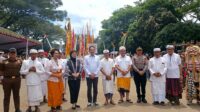

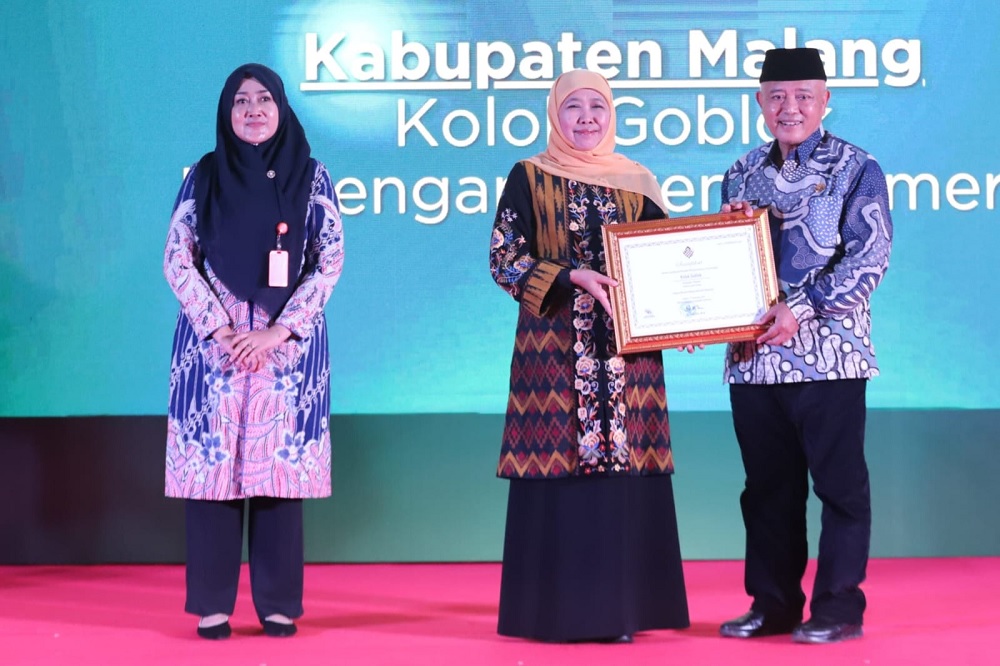
Malang, en.SERU.co.id – The Malang Regency (Kabupaten Malang) Government has officially received national recognition for two new intangible cultural heritages from the central government. These are Kolok Goblok (also spelled Kolak Goblok) and Bantengan Lereng Semeru, both originating from Malang Regency, which are now officially listed as Intangible Cultural Heritage of Indonesia (Warisan Budaya Takbenda Indonesia).
East Java Governor Khofifah Indar Parawansa stated that this recognition further enriches the province’s collection of nationally acknowledged cultural treasures. She also expressed appreciation to all parties involved in preserving and safeguarding these cultural legacies.
“The synergy between cultural practitioners, heritage caretakers, and district/city governments forms the main foundation for sustaining cultural heritage—both tangible and intangible. Without collaboration, heritage would merely become historical records, not living practices passed down through generations,” Khofifah emphasized.
This recognition adds to East Java’s growing list of nationally certified cultural assets. The East Java Provincial Government also presented appreciation to 500 artists and 148 heritage caretakers (juru pelihara cagar budaya), along with 46 certificates for Intangible Cultural Heritage of Indonesia awarded to 22 regencies/cities across the province.
About Bantengan Lereng Semeru Bantengan
Lereng Semeru is a traditional performing art originating from the slopes of Mount Semeru, particularly in areas like Kecamatan Tirtoyudo (and related regions such as Wajak) in Malang Regency.
It is a form of “bantengan” (bull puppetry or bull dance) featuring bamboo-framed bull figures, often depicting stories set in mountainous environments. This art reflects local wisdom and community life in the Semeru highlands.
About Kolok Goblok
Kolok Goblok is a unique traditional food from Desa Poncokusumo, Kecamatan Poncokusumo, Malang Regency. It is a type of kolak (sweet coconut milk dessert) made from whole pumpkin (labu kuning), grated coconut, and palm sugar, cooked traditionally by steaming in a special way so the sweet broth infuses inside the pumpkin.
Served only on specific occasions—such as the 7th day of Eid al-Fitr for “selamatan” rituals to bless livestock (rojo koyo, like cows, goats, or horses). It symbolizes gratitude, simplicity, and protection for animals from illness, ensuring they grow healthy. Its name and preparation carry deep philosophical and cultural meaning in the local community. (wul/ono)