

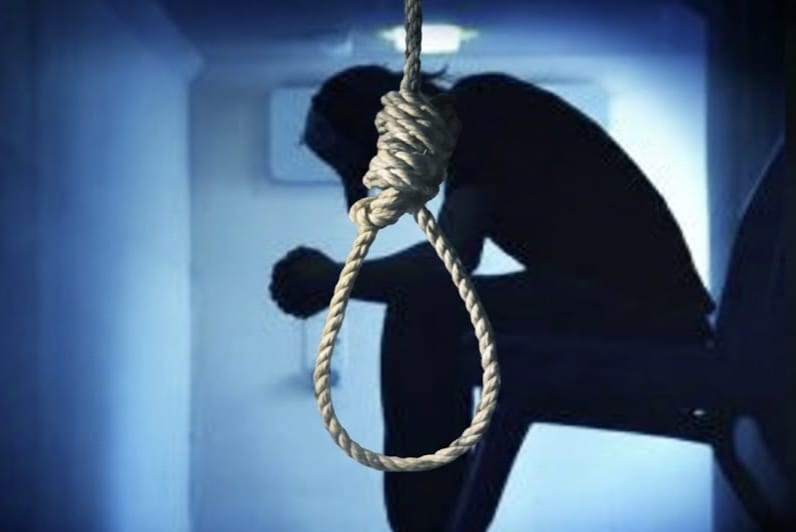
Malang, en.SERU.co.id – Students from out of town (mahasiswa rantau) tend to be more vulnerable to suicide attempts, primarily because they are far from family support. This vulnerability often goes undetected by university mental health monitoring systems. Therefore, prevention efforts should focus on strengthening social support, increasing the active role of academic advisors, and making counseling services more proactive.
Dr. Cahyaning Suryaningrum, M.Si., Psychologist, Head of Guidance and Counseling (BK) at Universitas Muhammadiyah Malang (UMM), emphasized that out-of-town students face unique psychological vulnerabilities.
Moving from home to a new environment demands significant emotional and social adaptation. Without adequate social support, pressures can build up silently.
“Out-of-town students are naturally more vulnerable. They are far from their parents and familiar surroundings. If their adaptation skills and social support are low, the risk of psychological problems increases significantly,” said Naning, as she is fondly called.
However, counseling sessions often reveal that academic stress is rarely the root cause.
Naning explained that many students arrive carrying long-standing emotional burdens from home, such as family conflicts, economic pressures, or unhealthy relationship patterns.
“Assignments, theses, or grades are often just triggers. The main fire has been burning for a long time,” she revealed.
Naning stressed that students need more than intellectual intelligence—they require mental resilience. Without training to face life’s uncertainties, students can easily fall into narrow thinking patterns when problems arise.
“Academic pressure is normal and even necessary to a certain extent. What matters is whether individuals have been equipped with a sense of purpose in striving, the ability to bounce back, and readiness to navigate ups and downs,” she added.
Echoing this view, Huriyah Padhilah Anasti, M.Pd., a lecturer at Universitas Jambi, noted that college assignments should not be overly blamed for student suicide issues.
“Think of it like fire: academic tasks only make the flames bigger. Weak self-control causes all problems to merge and feel overwhelming,” Huriyah told SERU.co.id on Friday (30/1/2026).
The Role of Lecturers, Counselors, Peers, and Government in Prevention
The recurring choice of the same location for suicide attempts—such as the Sukarno-Hatta (Suhat) Bridge in Malang—has raised serious concerns. While local government efforts like installing barriers are helpful, they are not the final solution and require multi-party involvement.
Malang Mayor Dr. Ir. Wahyu Hidayat, M.M., stated that adding safety fences on the Suhat Bridge is insufficient. Prevention must address root causes through mental health, psychological, and social approaches.
“We’ve already installed fences. But we will try other approaches (mental health), because the root issues need to be resolved,” Wahyu said.
The Malang City Government has also discussed comprehensive prevention strategies with psychology and mental health institutions, recognizing that physical facilities alone cannot fully solve the problem.
“Dealing with today’s society requires psychological approaches. Especially when someone is in a fragile state, where guidance plays a crucial role,” emphasized Wahyu.
Huriyah agreed, noting that individuals in acute psychological distress often think rigidly and are influenced by prior stories. At that point, the environment plays a key role in shaping perceptions.
Preventive efforts by lecturers are challenging—one cannot realistically expect a single lecturer to understand every student’s psychological state. However, academic advisors (PA) should be optimized in this role.
“Ideally, academic advisors function like homeroom teachers or guidance counselors. Not just validating course registration forms (KRS), but providing a safe space for consultation,” she asserted.
Huriyah added that advisors’ sensitivity to small signs—such as sudden drops in grades, chronic tardiness, or problematic tuition fee status (UKT)—can serve as entry points to understanding students holistically.
Amid this complexity, Naning from BK UMM emphasized an empowerment approach. Counseling should focus on recognizing personal strengths and building healthy coping mechanisms, from exercise and music to simple activities that provide emotional breathing room.
Furthermore, immediate surroundings—such as dorm mates and peers—serve as the first line of prevention. Listening without judgment, maintaining confidentiality, and not trivializing concerns can have a profound impact through small actions.
“Ultimately, every problem has a way out. The most dangerous thing is not the pressure itself. But allowing the mind to be closed off by despair,” Naning concluded.
Inspirational News as Mental Crisis Recovery
On another note, the role of media has come under scrutiny.
Dr. Sandersan Onie, President of the Indonesian Suicide Prevention Association, warned that insensitive suicide reporting can worsen the situation.
He referenced the Werther effect—the phenomenon of copycat suicides triggered by detailed and massive media coverage.
“The World Health Organization (WHO) and the Press Council have issued strict guidelines on suicide reporting. Including details of methods, specific locations, or even suicide notes increases imitation risks,” Sandersan said, as quoted by BBC Indonesia.
Conversely, he advocated for the Papageno effect: highlighting inspirational stories of hope, recovery, and ways to cope with crises as a form of social responsibility.
Sandersan also highlighted the complexity of youth mental health today, with data showing rising depression and anxiety amid an increasingly competitive and unforgiving world.
“Inflation is rising, life pressures are heavier—the world feels more difficult. This isn’t a weak generation; it’s a generation facing far greater pressures,” he stated. (aan/rhd)